
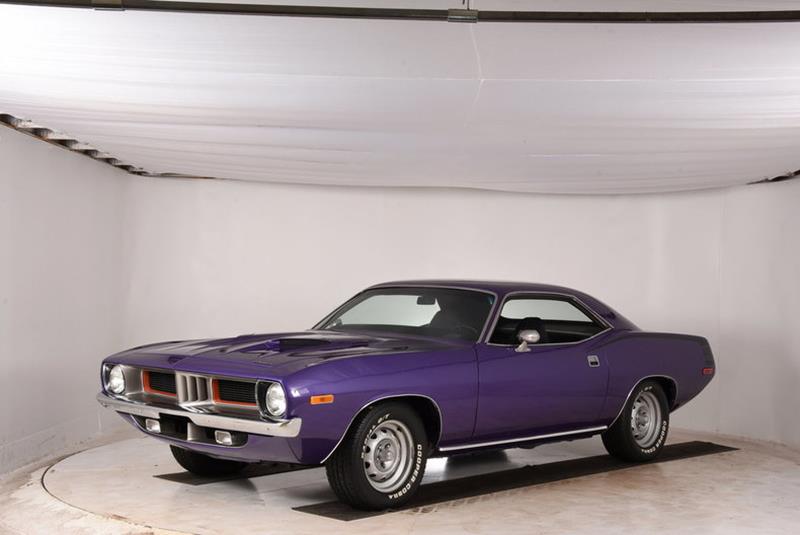
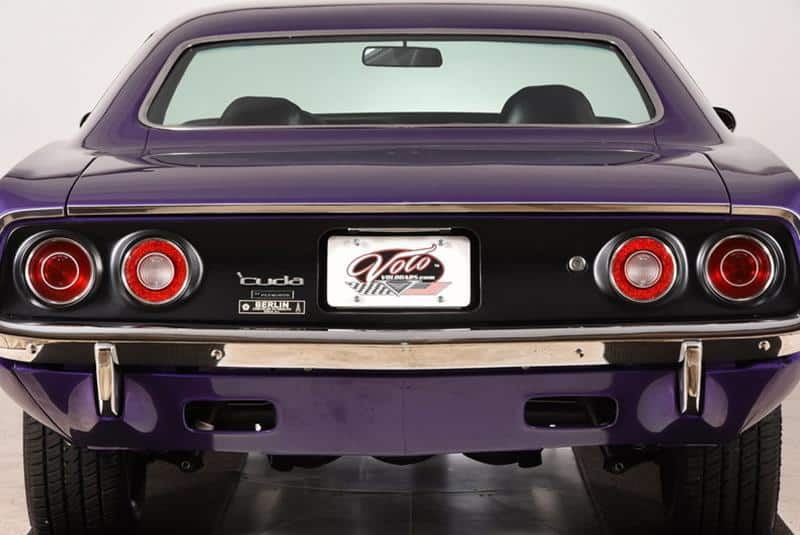
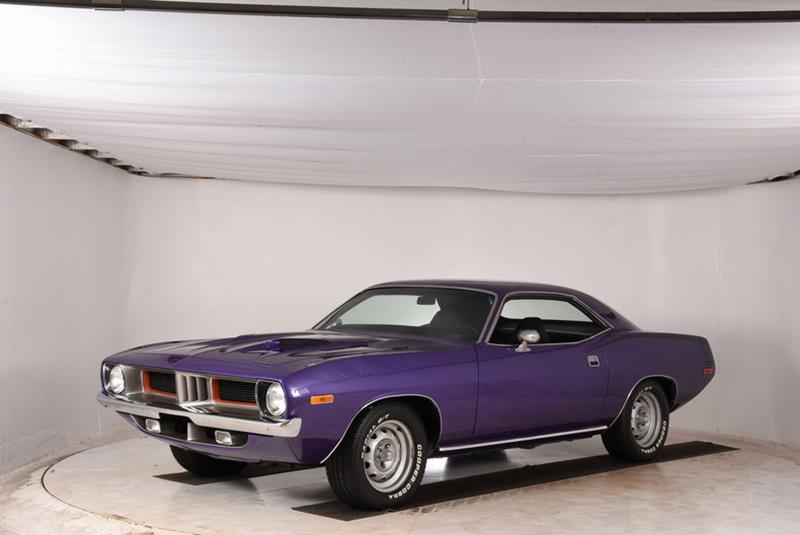
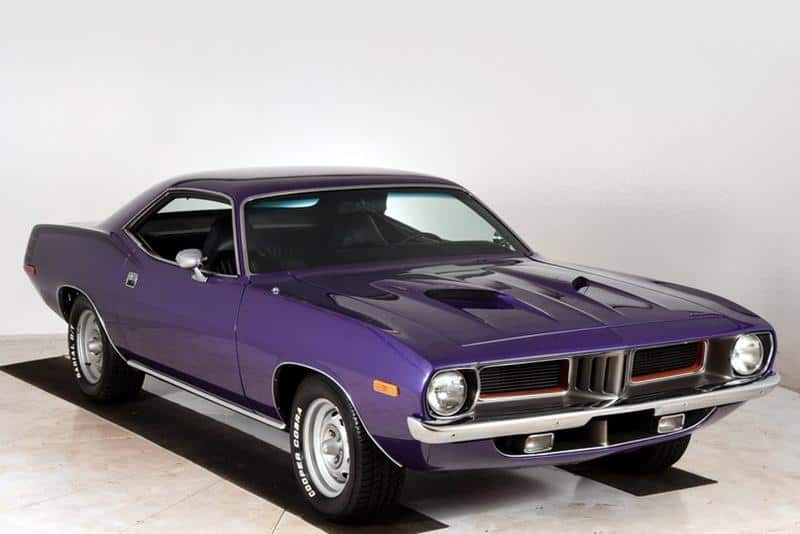
“A full measure of sport is available in either the 1974 ‘Cuda or Barracuda.” 1974 Barracuda sales brochure
- 1974 was the last year of production for the Barracuda.
- Coming mid-way through the 1973 model year, a 360 CID V8 replaced all 340 V8s as the performance option.
- Production ended on April 1, 1974, 10 years to the day after the first Barracuda went on sale.
Muscle Car Specifications
Barracuda was technically the first pony car to actually go on sale, and had many ups and downs throughout its decade-long history. Starting in 1970, the third-generation models of the car finally fully embraced its pony car status in both looks and performance. Of the models after 1970, Edmunds has this to say:
When the Barracuda and Challenger died, few mourned their passing. They had one great year (1970), one good one (1971) and three progressively lousier ones (1972-1974). But with the passage of time their unique personalities and legends would grow. No one could have predicted just how popular they would become decades after their demise.
This is about as good a summary as can be written about the final years of Barracuda production, though it is hard to say that the 1972-1974 models were “progressively” worse. Since those three year models were essentially the same car, it’s hard to say they were getting worse.
By 1974, the American car-buying public had already seen the beginning of the first oil crisis, and gas prices were rising faster than the fast rising insurance rates for performance cars. All these factors, combined with the fact that the pony cars and muscle cars lost a lot of power with new federal regulations that were put into place for the 1972 models, meant the extinction of many pony car models – Barracuda included.
When all was said and done in 1974, Barracuda had by far its worst sales years ever, and production was only 11,734, which also represented the lowest production number for any pony car. But all pony car models saw sales decreases, and the Barracuda’s cousin Dodge Challenger also disappeared by the end of the year – as did the AMC Javelin.
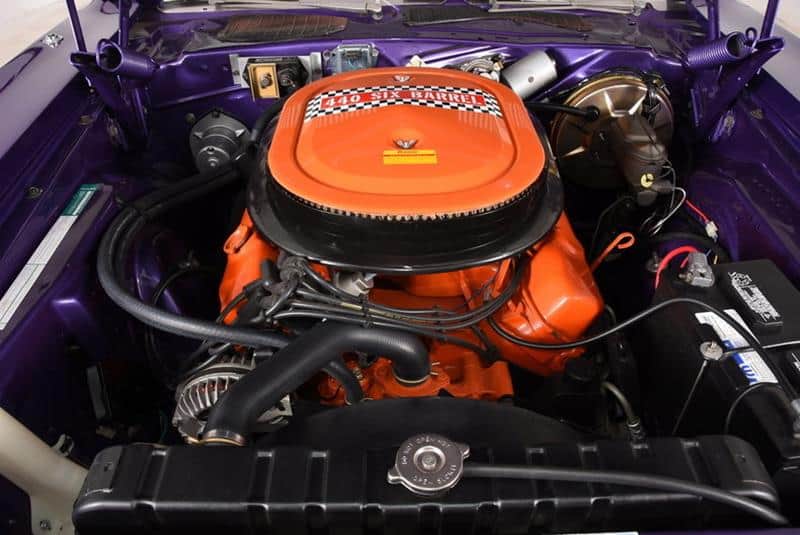
The only notable difference in the 1974 Barracudas and the 1973 models was that 360 CID V8 engine option being available all year. It produced 245 horsepower, as opposed to the 240 produced by the previous 340 motor. As it had been the year before, the standard engine for Barracudas was a 318 CID V8 rated at 150 horsepower.
Hardtop
Once again there was no convertible option for any Barracuda model – the convertible had been discontinued after 1971. Standard features like vinyl bucket seats and hidden, two-speed windshield wipers remained the same this year as they had been in 1973.
Cuda Hardtop
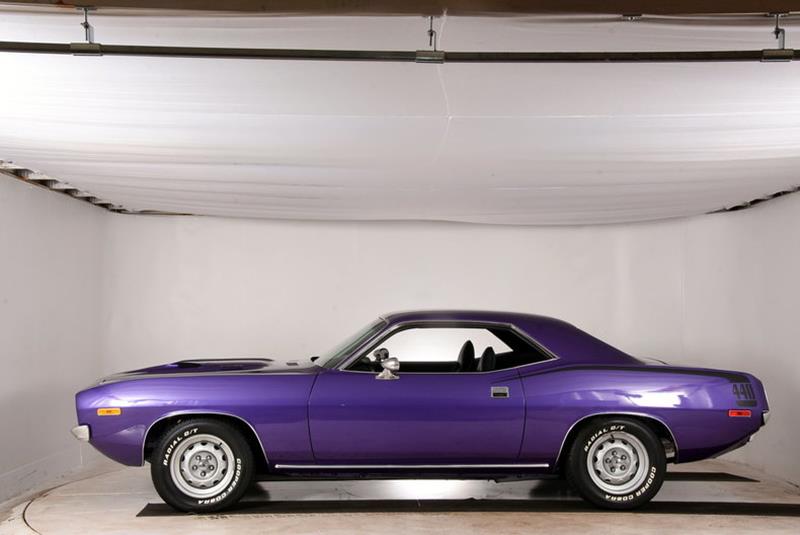
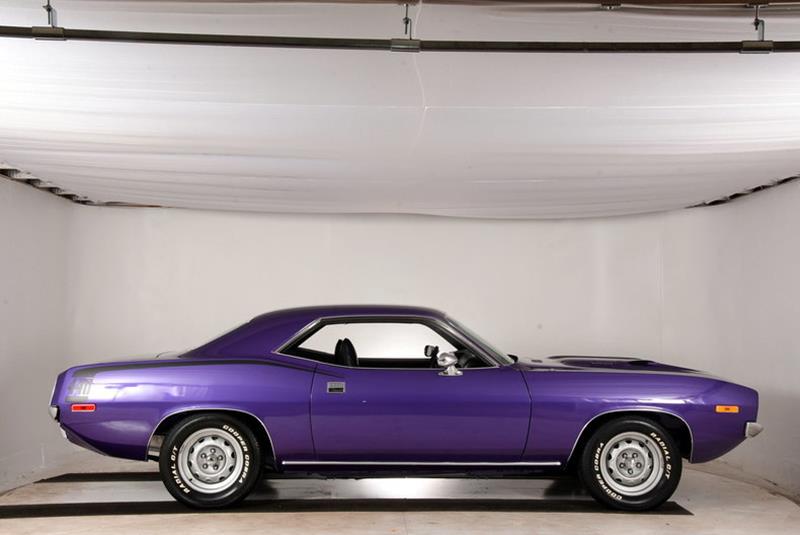
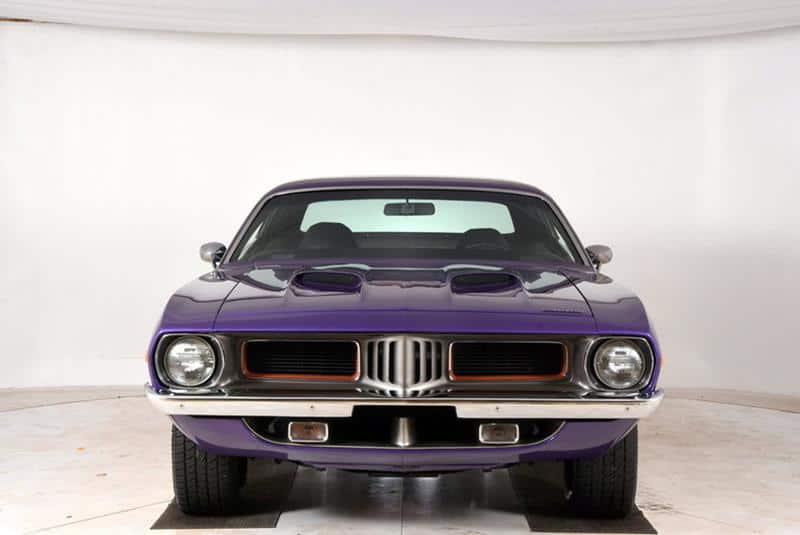
All 1974 Cuda models came standard with the 360 CID V8 engine. Additionally, they had hood scoops, a heavy duty suspension and larger tires.
Pony Car Competition
The only car that had been classified as a pony car that saw sales increases in 1974 was the Ford Mustang. But the reason for this is that 1974 marked the introduction of the Mustang II, which could no longer be considered a pony car. Sales of the Mustang II were through the roof (385,993 were produced), but this just further proved that the wants of the car-buying had shifted to compact cars designed for fuel efficiency, which the Mustang now was.
As mentioned, the Dodge Challenger and the AMC Javelin would both disappear alongside the Barracuda during 1974, all due to low sales. Only the Chevrolet Camaro and Pontiac Firebird would live to continue the pony car legacy. And while both models saw sales decreases in 1974, they would have a successful run throughout the last half of the decade and into the 1980s, largely because they were the only pony cars left to choose from. As many critics have said, it seems that by the time Plymouth really got the Barracuda right as a pony car, it was already too late. This was proven with the car’s sad demise in 1974.
Engine Specifications
| Type | Size | Carb | Horse Power | Tourqe |
|---|---|---|---|---|
| Base V8 | 318ci | 1x2bbl | 150 hp @ 3600 rpm | 265 lb-ft @ 2000 rpm |
| 360 | 360ci | 1x2bbl | 245 hp @ 4000 rpm | 320 lb-ft @ 3600 rpm |
Performance Statistics
| 0 to 60 mph | Quarter Mile | Engine | Source |
|---|---|---|---|
| 9.4 sec | 16.4 sec @ 100.3 mph | 360ci/245hp | Estimate |
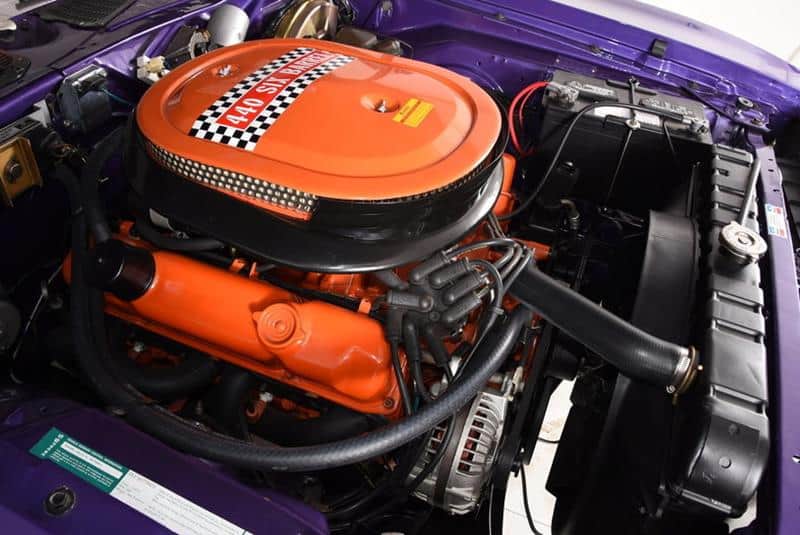
barracuda
your facts are all wrong The 318 was standard on all cudas or you could get a 360 which only 761 we’re produced
get the facts right
You need to get the your facts in line before you put them out there.For exaample.74 360 Cudas had 245 hp and 320 lbs ft torque, that would be more than the 73 340 right?Do your homework instead of spewing incorrect info.
No one noticed the end of an era
What a change a few years made. Just four years earlier, the ‘Cuda was one of the best performance cars ever. By 1974 it was just a memory. The Barracuda was a great design and it was a solid base for some outstanding engines. Unfortunately, the market changed.